Category: quantum computing
-
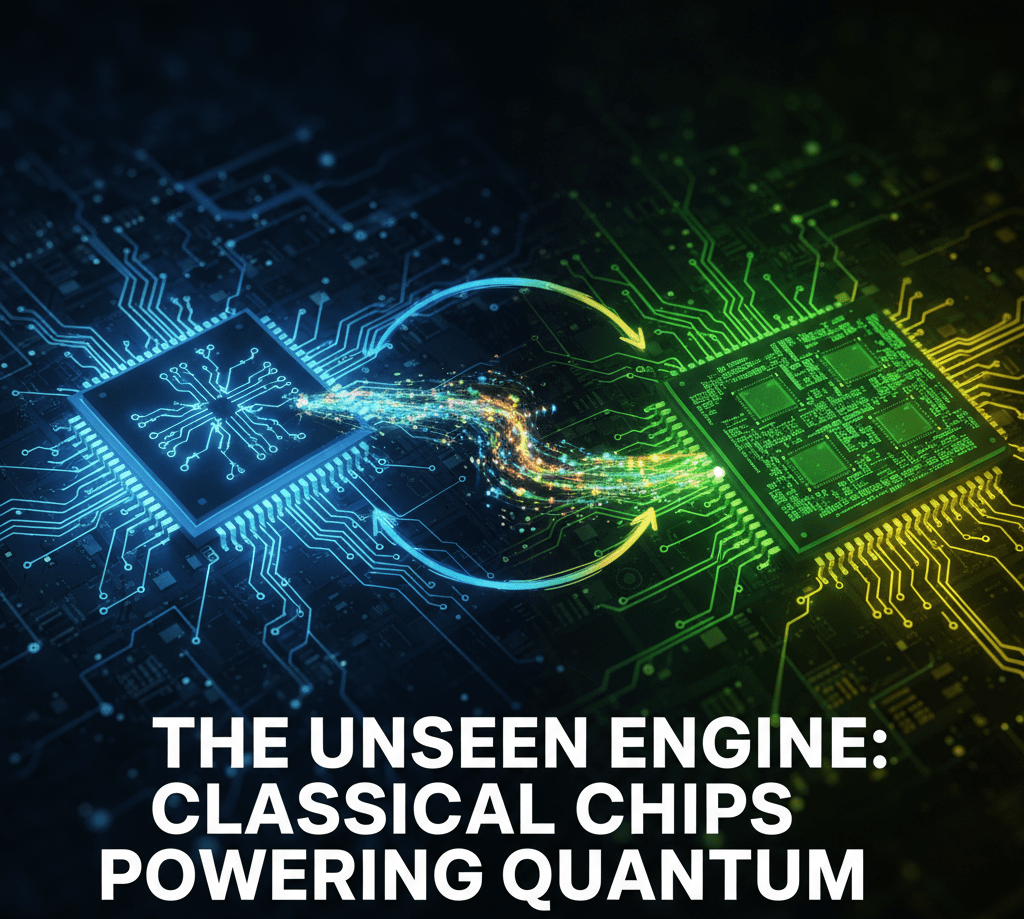
The Unseen Engine: How Classical Chips are Quietly Powering the Quantum Revolution
IBM’s recent milestone using off-the-shelf AMD hardware reveals a critical truth: the race for quantum supremacy is as much about high-speed classical engineering as it is about exotic physics. This hybrid approach is not just accelerating the quantum roadmap; it’s forging a new class of technology that could soon benefit industries far beyond computing. In
-

D-Wave’s Quantum Annealing vs Gate-Based Systems
In case you would be wondering about the latest announcement from D-Wave, quantum annealing and gate-based quantum computing represent fundamentally distinct approaches to harnessing quantum phenomena, each optimized for different types of problems and computational paradigms. Here’s a detailed breakdown of their differences: Core Principles Quantum Annealing Gate-Based Quantum Computing Key Differences Aspect Quantum Annealing
-

D-Wave’s Quantum Advantage Breakthrough: Solving Scientific Problems with Quantum Computing
D-Wave, a quantum computing company based in Burnaby, Canada, has recently published a groundbreaking study that represents a significant advancement in quantum computing. This publication, found in Science[1], details what the company claims is the first demonstration of quantum advantage for solving a problem of genuine scientific relevance. This achievement potentially marks a watershed moment
 IAORA42